Role: UX/UI Design Trainee
Scope: Research, information architecture, interaction design, visual design, prototyping, and usability evaluation
Context
This work was developed within the scope of a User Experience and User Interface Design course, focused on applying a full user-centered design process to realistic product scenarios.
Two distinct projects were developed:
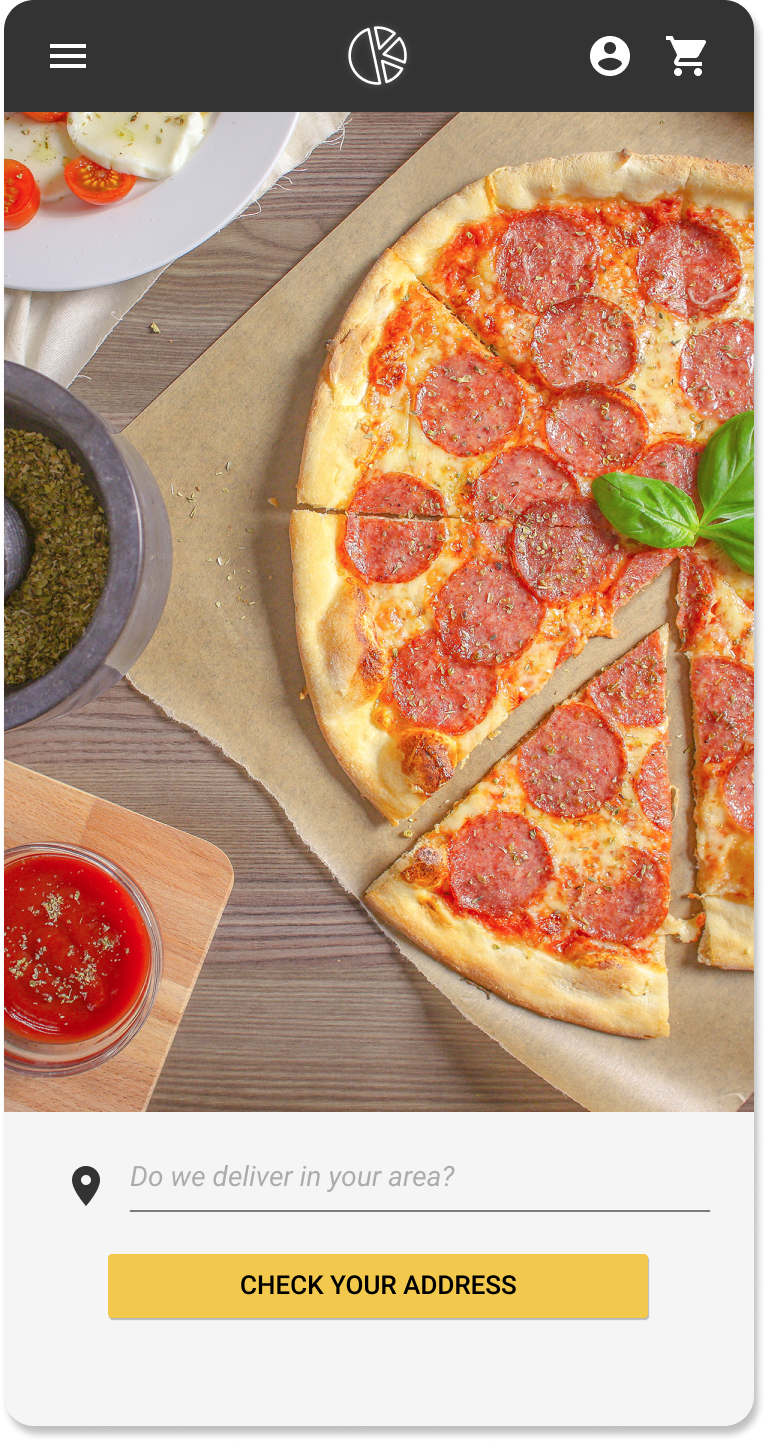
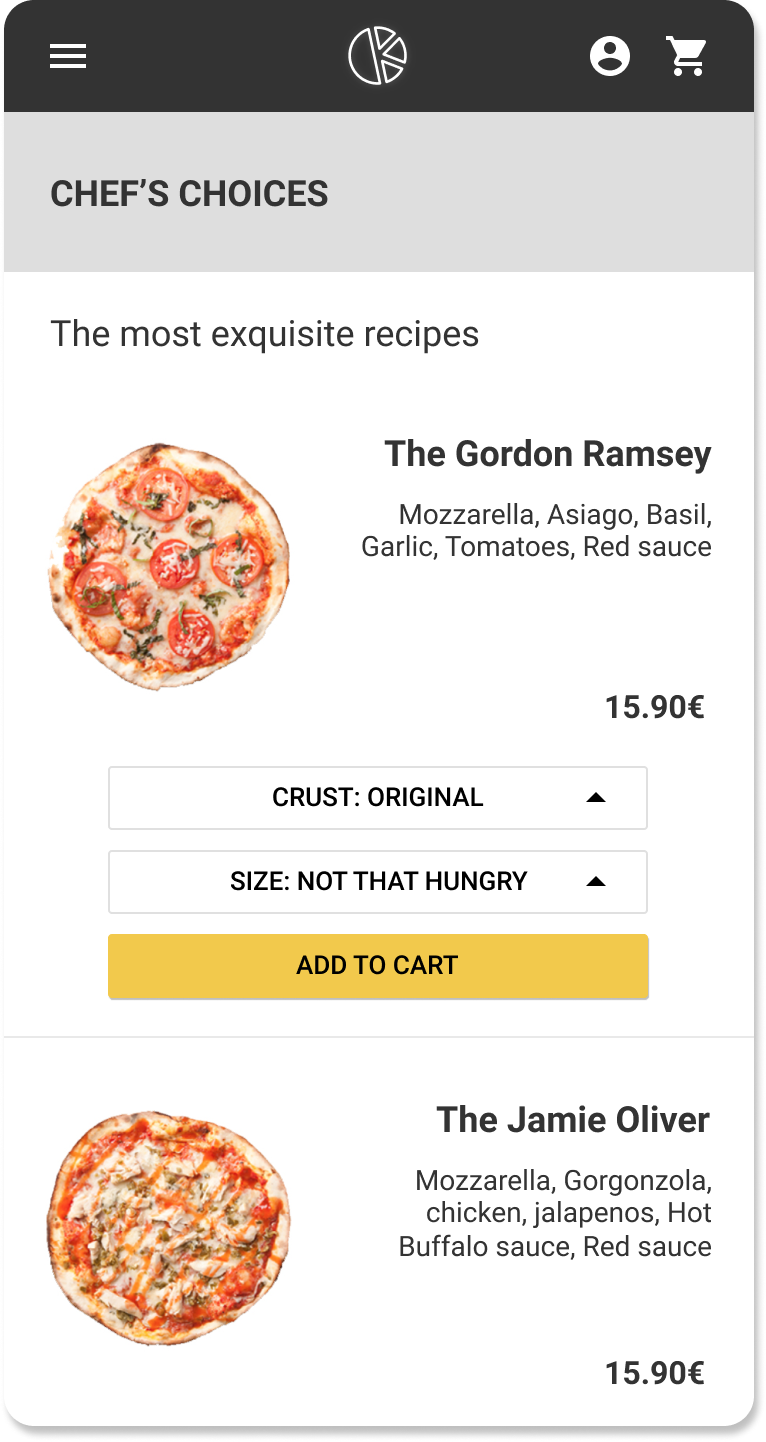
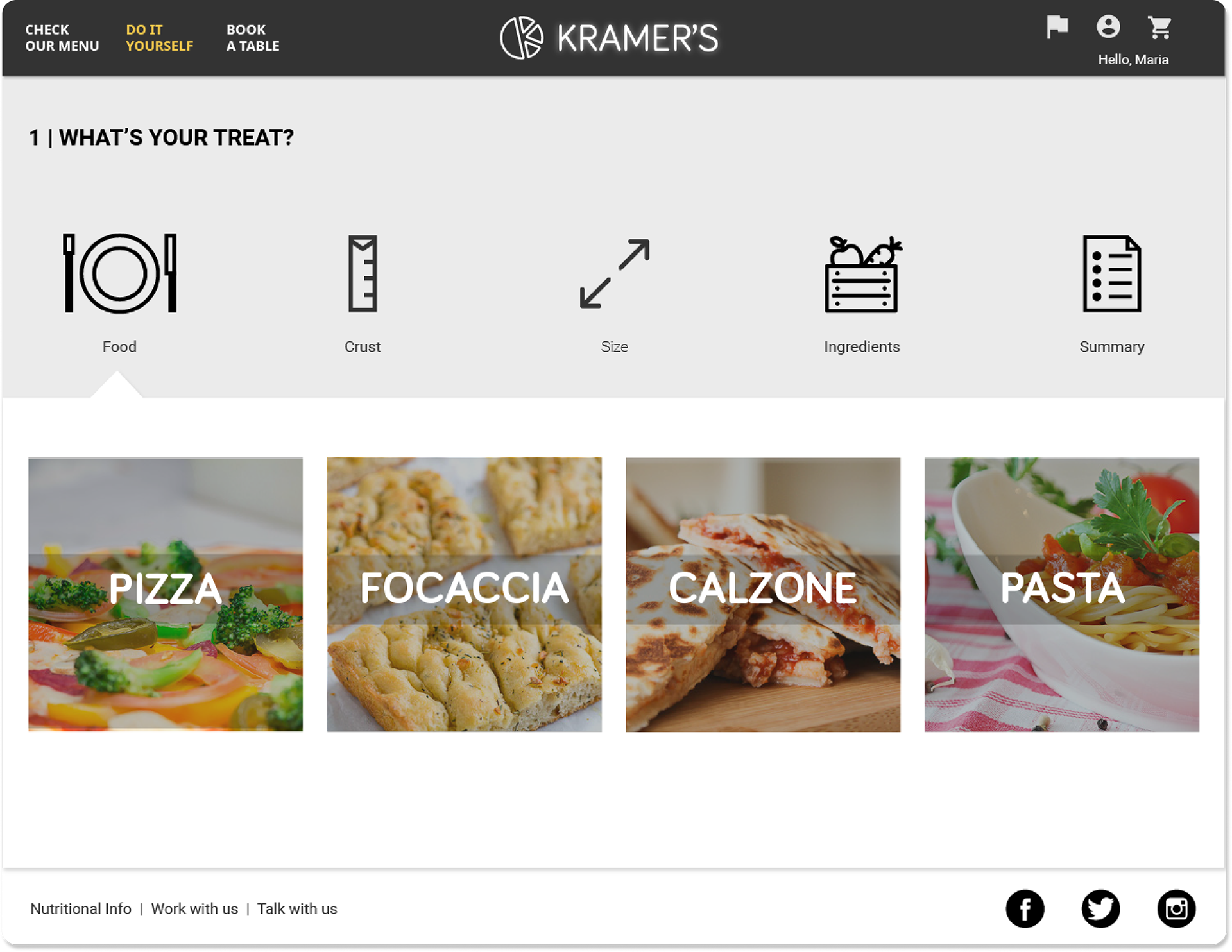
• Kramer’s Pizza Joint (KPJ): an online ordering and delivery experience for a local pizza business
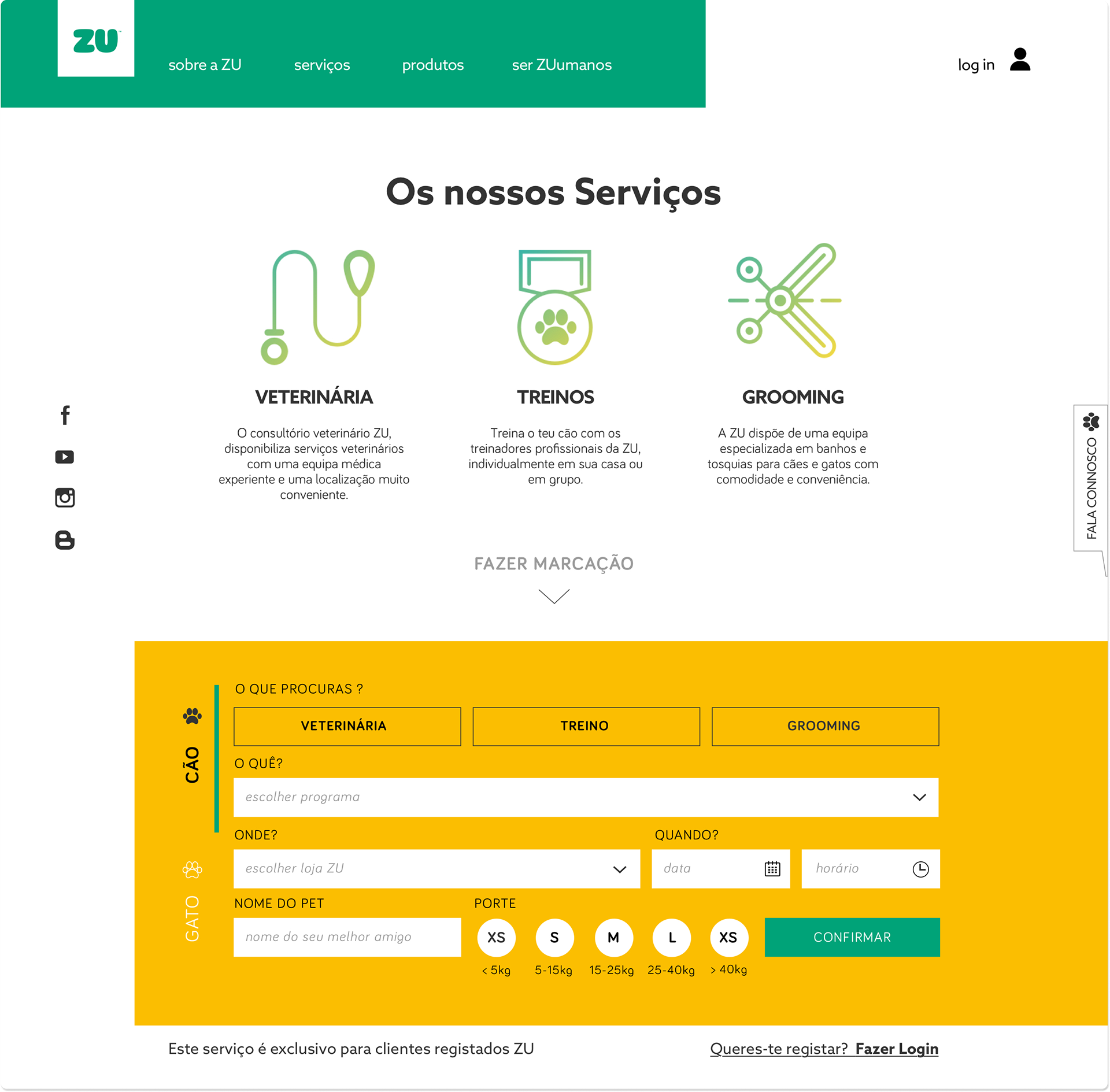
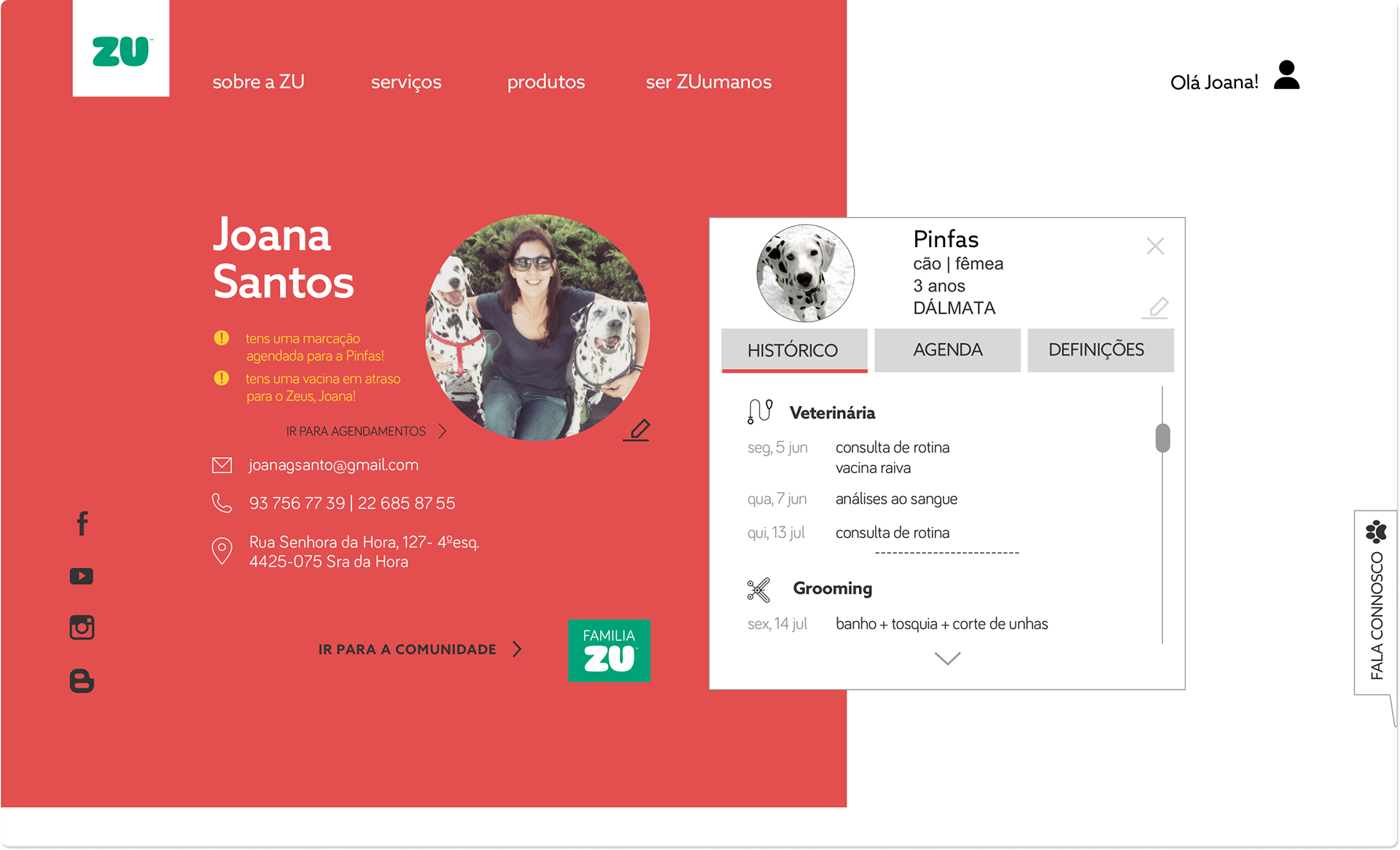
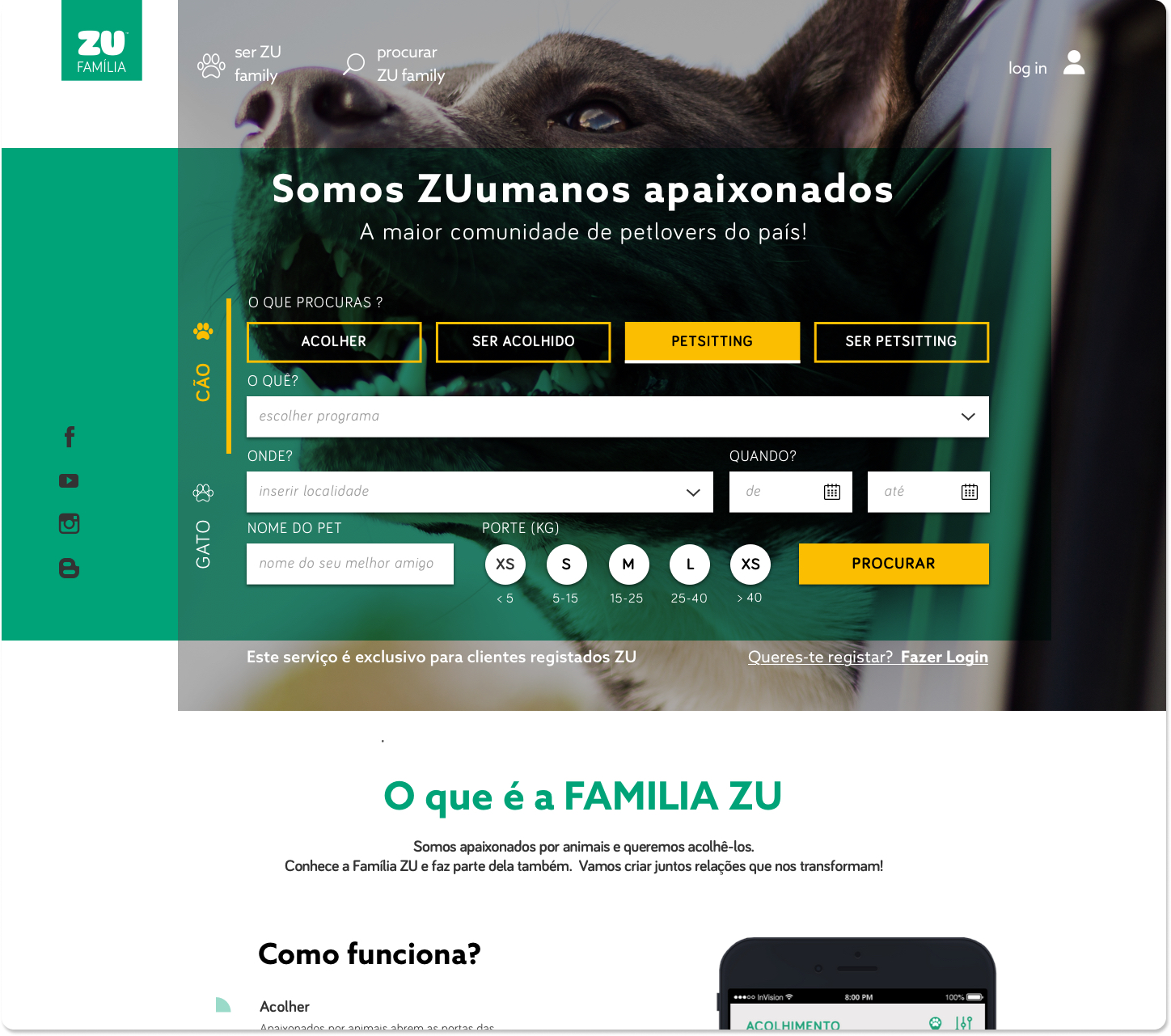
• ZU: a redesign and corporate identity rework for a well-known premium pet shop brand
The projects differed intentionally in level of constraint and ambiguity.
The Problem
Both projects required translating business goals and user needs into coherent digital products, but under different conditions:
KPJ allowed broad freedom in defining functionality, structure, and visual direction
ZU followed a detailed stakeholder briefing and involved redesigning an existing product and brand
The challenge was adapting the same design process to both open-ended and tightly constrained contexts.
Core Design Question
"How can user-centered design principles be applied consistently across projects with very different levels of constraint, maturity, and stakeholder definition?"
Understanding the Environment
Stakeholder perspectives, business goals, and user expectations were explored through interviews, surveys, and comparative analysis of existing market solutions.
– For KPJ, emphasis was placed on understanding ordering behaviors, decision points, and content prioritization.
– For ZU, additional attention was given to brand positioning, existing customer expectations, and alignment with stakeholder-defined constraints.
– For ZU, additional attention was given to brand positioning, existing customer expectations, and alignment with stakeholder-defined constraints.
This work clarified differences in scope, flexibility, and design freedom between a greenfield concept and a redesign scenario.
Explorations and Key Decisions
Both projects followed a user-centered design process, adapted to their respective constraints.
Key activities included:
• Definition of content strategy and information architecture through card sorting
• Creation of user personas, user flows, and experience maps
• High-fidelity prototyping for mobile and web contexts
KPJ allowed experimentation with structure and visual language, while ZU required tighter alignment with an established identity and stakeholder expectations.
Prototypes were evaluated through usability testing and cognitive walkthroughs, with findings used to refine interaction patterns, navigation, and clarity.
Outcomes and Impact
• Two high-fidelity prototypes (mobile and web) developed for KPJ and ZU
• End-to-end application of a user-centered design process across contrasting scenarios
• Strengthened practical skills in interaction design, visual design, and usability evaluation